Tukh malanga in English is called basil seeds (also known as sabja, tukhm-e-rehan, or sweet basil seeds). These tiny black seeds come from the sweet basil plant and are a favourite in Pakistani summer drinks — soak them in water and they swell into a soft, jelly-like seed, perfect for sharbat, lemonade and falooda. In this guide you’ll find everything on what tukh malanga actually is, how it compares to chia seeds, the full range of ways to use it, a Roman Urdu summary, and answers to the most common questions people in Pakistan search for about it.
- What is Tukh Malanga?
- Is Tukh Malanga the Same as Chia Seeds?
- Tukh Malanga vs Gond Katira vs Isabgol
- Nutrition: What’s Actually in the Seed
- Tukh Malanga Benefits
- How to Use Tukh Malanga
- Buying Guide
- Storage & Shelf Life
- Who Should Be Careful
- Tukh Malanga ke Fayde (Roman Urdu)
- Frequently Asked Questions
What is Tukh Malanga?
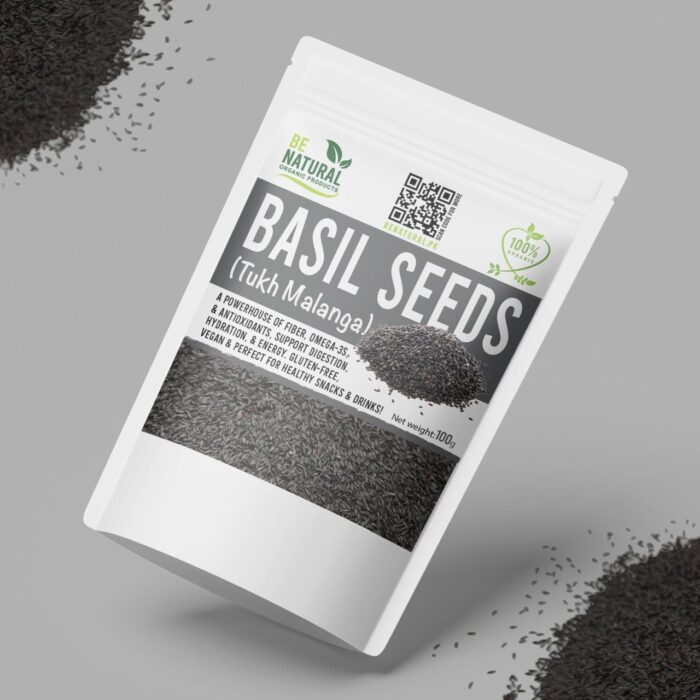
Tukh malanga (تخم ملنگا) are the seeds of the sweet basil plant (Ocimum basilicum) — related to, but not the same plant as, the basil leaves used in Italian cooking. In raw form they look like small black grains, similar in size to sesame seeds, with a faint sheen. The plant is grown widely across South Asia, including Pakistan, and the seeds are harvested, dried and cleaned before packing.
What makes tukh malanga unusual is what happens when it meets water: each seed is coated in a thin layer of mucilage that absorbs many times its own weight, and within 10–15 minutes of soaking it develops a translucent, gel-like coating around a small black core. This is exactly the texture that gives sharbat and falooda their signature “frogspawn” look and cooling mouthfeel — and it’s the same reason tukh malanga has been a fixture of Pakistani summer kitchens and Ramadan iftar tables for generations.
Tukh malanga is sold under several different names depending on the region and the shop: tukh malanga, tukhm-e-rehan, sabja seeds, falooda seeds, or simply basil seeds in English. If a recipe, a hakeem’s suggestion, or a product label uses any of these names, it’s referring to the same seed — so you don’t need to worry about buying the “wrong” one as long as the ingredient list says basil seeds or Ocimum basilicum.
Tukh Malanga Nutrition: What’s Actually in the Seed
Like most small seeds in this family, tukh malanga is valued mainly for two things: its natural dietary fibre and the gel (mucilage) it forms in water. The fibre is largely soluble, which is why the seed swells rather than simply softening, and it’s this swelling property — not any added ingredient — that makes a soaked teaspoon of tukh malanga go a long way in a glass of sharbat. Tukh malanga also contains small amounts of natural plant oils, the same general type of basil-seed oil found across the Ocimum family. We keep this section general and factual rather than quoting specific gram-by-gram figures, because those vary by harvest and we’d rather you trust what we say than quote numbers we can’t stand behind.
Is Tukh Malanga the Same as Chia Seeds?
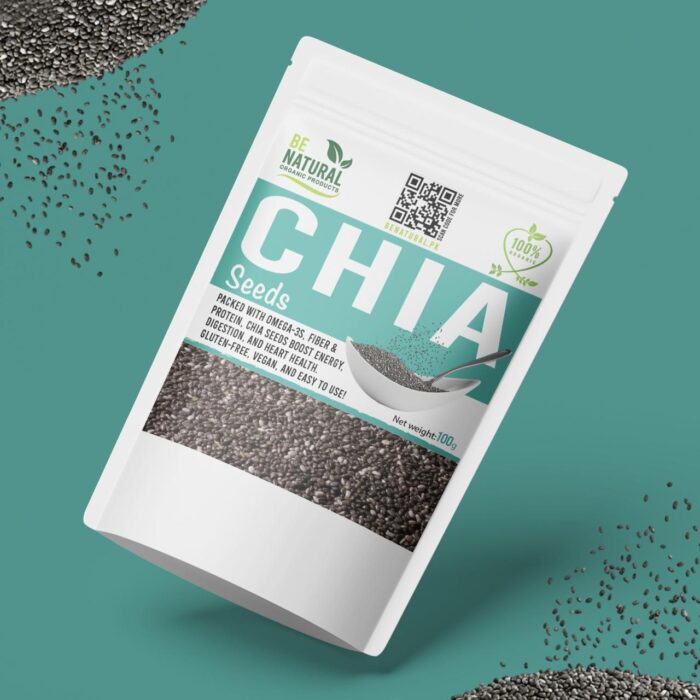
This is one of the most common questions people search — “is tukh malanga chia seeds,” “difference between chia seeds and tukh malanga,” “chia seed tukh malanga” — since both seeds swell in water and look similar once soaked. They are not the same plant (chia comes from Salvia hispanica, a member of the mint family, while tukh malanga comes from sweet basil), and there are a few easy ways to tell them apart:
| Feature | Tukh Malanga (Basil Seeds) | Chia Seeds |
|---|---|---|
| Size & colour | Smaller, fully black | Slightly larger, grey-black and speckled |
| Swelling time | Faster — 10–15 minutes | Slower — can take longer to fully gel |
| Most common use in Pakistan | Sharbat, rooh afza, falooda | Smoothies, chia pudding, weight-loss diets |
| Price at Be Natural (100g) | Rs 350 | Rs 450 |
Both are nutritious seeds that happen to share the “swells in water” trick, and some people do use them interchangeably in drinks. But if a dessert recipe specifically calls for tukh malanga — especially a classic falooda — it’s worth using the real thing, since chia seeds swell more slowly and have a slightly different mouthfeel.
Tukh Malanga vs Gond Katira vs Isabgol — Don’t Mix Them Up
Pakistani kitchens often stock all three of these cooling, water-absorbing ingredients side by side, so it’s worth being clear on the difference. Gond katira (tragacanth gum) isn’t a seed at all — it’s a natural gum resin that needs an overnight soak to turn into a thick jelly, and it’s used the same way as tukh malanga in summer drinks, just with a longer prep time. Isabgol chilka (psyllium husk) is a fibrous husk rather than a seed, swells almost instantly in water or milk, and is used differently — as a fibre drink on its own rather than mixed into sharbat. Tukh malanga sits in between: a true seed, soaks in 10–15 minutes, and is the standard choice specifically for sharbat and falooda.
Tukh Malanga Benefits
- A natural cooling addition to summer drinks — tukh malanga has been part of Pakistani summer sharbat for generations, especially during hot weather and Ramadan iftar.
- A source of dietary fibre — like most seeds in this category, tukh malanga contains natural soluble fibre.
- Keeps you feeling full — the gel coating adds bulk to drinks, which can help you feel satisfied for longer between meals.
- Very easy to prepare — unlike gond katira, which needs an overnight soak, tukh malanga swells quickly in just 10–15 minutes, so there’s no need to plan hours ahead.
- Low in flavour, easy to pair — tukh malanga has almost no taste of its own, so it takes on whatever drink you add it to, from plain lemonade to rooh afza to milk-based falooda.
- A traditional household staple — it has been used in South Asian homes for generations as part of everyday summer routines, long before it became a “trending” seed online.
How to Use Tukh Malanga
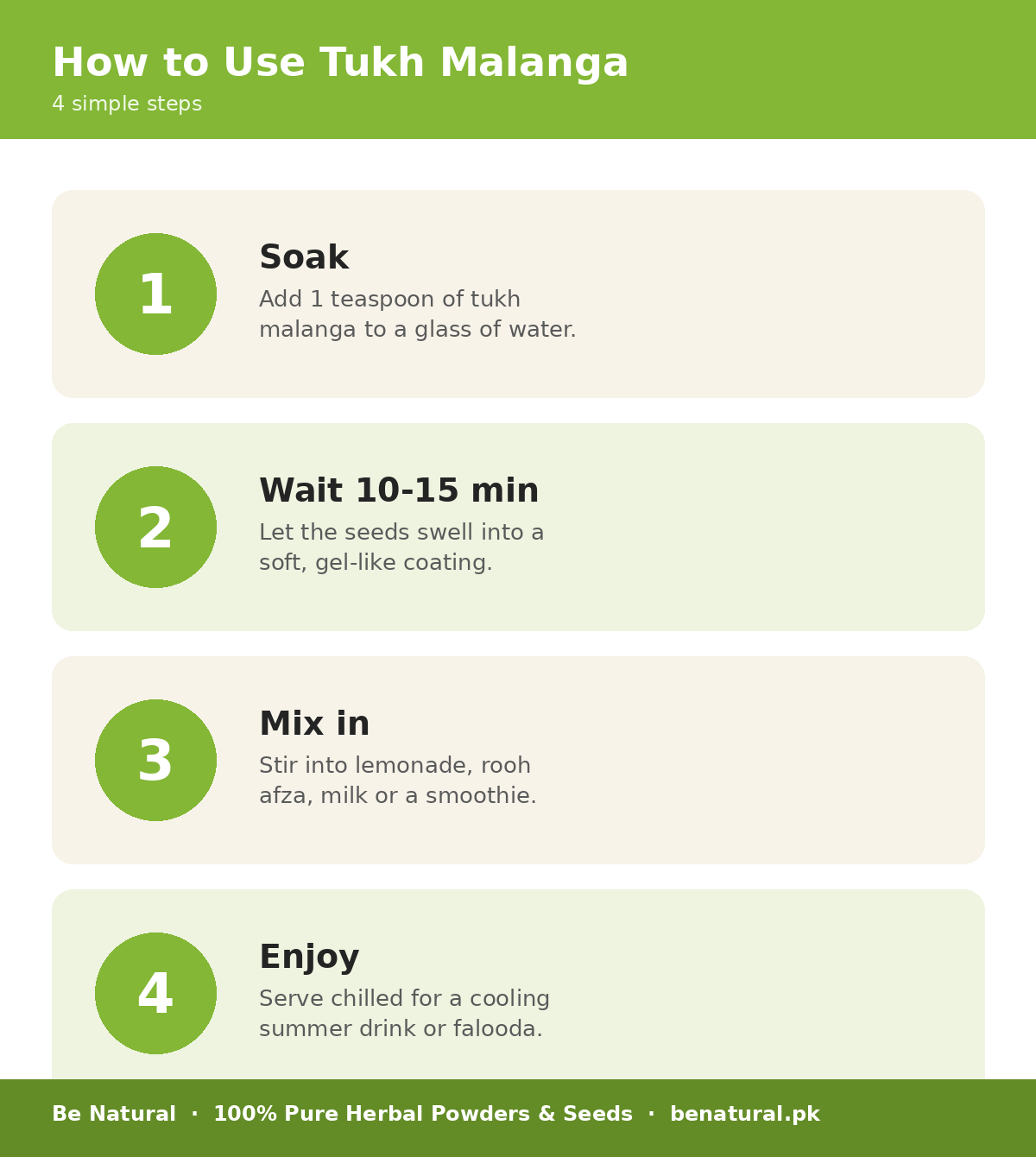
- Soak first, always. Add 1 teaspoon of tukh malanga to a glass of water and let it sit for 10–15 minutes until the seeds turn soft and gel-coated. Never eat the seeds dry.
- Add to your drink of choice. Stir the soaked seeds into lemonade, rooh afza, milk, or a smoothie.
- For falooda, add a spoonful of soaked tukh malanga on top, just like you would with sabja in a classic falooda glass.
- Start small. A teaspoon per glass is plenty — the seeds expand a lot once soaked.
4 Easy Tukh Malanga Recipe Ideas
1. Classic Tukh Malanga Sharbat. Soak 1 teaspoon of tukh malanga in half a cup of water for 15 minutes. In a separate glass, mix 2 tablespoons of sugar syrup or rooh afza with cold water and ice. Pour in the soaked seeds and stir gently — the perfect iftar-table cooler.
2. Tukh Malanga Lemonade. Make a regular glass of fresh lemonade (lemon juice, sugar or honey, cold water). Soak 1 teaspoon of tukh malanga separately for 10–15 minutes, then spoon it on top just before serving for a refreshing, slightly textured summer drink.
3. Falooda-Style Milk Dessert. Soak 1 teaspoon of tukh malanga for 15 minutes. Layer it in a tall glass with falooda sev (vermicelli), a scoop of kulfi or ice cream, and chilled sweetened milk on top. This is the same role sabja plays in traditional falooda.
4. Overnight Tukh Malanga Jar. Soak 1–2 teaspoons of tukh malanga in a small jar of water overnight in the fridge. In the morning, stir the gel into a fruit smoothie, yogurt, or a glass of milk for a quick, no-effort addition to breakfast.
Buying Guide: What to Look for in Tukh Malanga
Not all tukh malanga sold in the market is equally clean. When buying, look for seeds that are uniformly black with no visible dust, husk fragments, or discoloured grains — a sign the seeds have been properly cleaned and sorted. The pack should be sealed and airtight, and ideally state “100% pure” with no fillers or mixed grains. Be Natural’s Tukh Malanga (Basil Seeds) is sold as a clean, single-ingredient 100g pack with Cash on Delivery all over Pakistan — no sugar, no additives, nothing but the seed itself.
Storage & Shelf Life
Store tukh malanga dry and unsoaked in an airtight container in a cool, dry place, away from direct sunlight and moisture — a kitchen cupboard works well. Kept this way, the dry seeds stay usable for many months. Once soaked, however, tukh malanga should be used the same day and kept refrigerated if you’re not using it immediately; don’t store soaked, gel-coated seeds at room temperature for long periods.
Who Should Be Careful
Tukh malanga is generally considered a safe, traditional food ingredient, but a few sensible precautions apply. Always soak the seeds fully before eating — dry or under-soaked seeds can swell further in the throat and pose a choking risk, so never give dry tukh malanga to small children, and always soak thoroughly before serving to anyone. If you are pregnant, breastfeeding, or managing a medical condition, it’s worth checking with your doctor before adding any new seed to your regular diet, simply as general good practice. As with any seed, stop use and consult a doctor if you notice an allergic reaction.
Tukh Malanga ke Fayde (Roman Urdu)
Tukh malanga (تخم ملنگا) ko English mein basil seeds ya sabja kehte hain. Yeh garmiyon mein sharbat, lemonade aur falooda mein daalne ke liye mashhoor hain, aur Ramadan mein iftar ke dastarkhwan ka bhi hissa hain. Istemal karne ka tareeqa bohot simple hai: 1 chamach tukh malanga ko aik gilaas paani mein 10–15 minute ke liye bhigo dein, jab tak seeds naram aur gel jaisi na ban jaein — kabhi bhi sookhe seeds na khayein. Uske baad lemonade, rooh afza, doodh ya falooda mein daal kar istemal karein. Yeh chia seeds se chhote aur mukammal kaale hote hain, aur paani mein jaldi phool jaate hain — gond katira ki tarah raat bhar bhigone ki zaroorat nahi hoti. Tukh malanga ko hamesha airtight dabbe mein, thandi aur khushk jagah par rakhein, taake yeh mahino tak theek rahein. Be Natural ka 100% khalis Tukh Malanga sirf Rs 350 mein 100g pack ke sath, Cash on Delivery poore Pakistan mein dastiyab hai.
Frequently Asked Questions
What is tukh malanga called in English?
Tukh malanga is called basil seeds in English, also known as sabja, tukhm-e-rehan, or sweet basil seeds.
What is the price of tukh malanga in Pakistan?
Be Natural Tukh Malanga (Basil Seeds) 100g is Rs 350, with Cash on Delivery all over Pakistan.
Is tukh malanga the same as chia seeds?
No. They look similar once soaked, but tukh malanga seeds are smaller, fully black, and swell faster (10–15 minutes) than chia seeds, which are larger, grey-black and speckled, and can take longer to fully gel.
How do I use tukh malanga / how do I make tukh malanga sharbat?
Soak 1 teaspoon of tukh malanga in a glass of water for 10–15 minutes, then stir the soaked seeds into your lemonade, rooh afza or sharbat of choice. See the 4 recipe ideas above for falooda, lemonade and overnight-jar variations.
Can I eat tukh malanga without soaking it?
No — always soak tukh malanga fully in water first. Dry or under-soaked seeds can be a choking risk, so never serve them unsoaked, especially to children.
How should I store tukh malanga, and how long does it last?
Keep dry, unsoaked tukh malanga in an airtight container in a cool, dry place away from sunlight — it stays usable for many months this way. Once soaked, use it the same day and refrigerate if not using immediately.
Is tukh malanga good for weight loss?
Tukh malanga can help you feel full for longer because of its gel coating and fibre content, which is why some people include it in a balanced diet. It isn’t a weight-loss treatment on its own, and should be paired with an overall healthy diet and lifestyle.
Where can I buy tukh malanga in Pakistan?
You can buy 100% pure Tukh Malanga (Basil Seeds) from Be Natural, with Cash on Delivery all over Pakistan via TCS and Leopards courier.
Pairs Well With
Tukh malanga is often bought alongside the other cooling, fibre-rich seeds in a Pakistani summer kitchen. Here are the products that pair naturally with it:
Keep Exploring Be Natural

Usama
Founder, Be NaturalUsama is the founder of Be Natural, a Pakistan-based organic brand making 100% pure hair-care, skin-care and edible powders and seeds, sourced and packed in-house with no shortcuts. He writes Be Natural’s product guides to help customers use natural ingredients the right way, drawing on real sourcing and packing experience rather than guesswork.